Fifteen degrees outside, your battery light just came on, and you're on your knees in the driveway trying to get a socket onto a terminal with fingers that don't work right anymore. That's the exact kind of afternoon that makes people quit on DIY car repair for good. It doesn't have to go that way.
Most of what breaks or gets sluggish in winter isn't complicated to fix. It's just miserable to do outside in the cold, which is honestly the whole problem.
Batteries give out first
Cold air is brutal on a battery's cranking power. A battery that barely made it through August heat is usually the first thing to quit once the temperature actually drops. If your car's been slow to turn over the last few mornings, don't wait for the day it doesn't start at all.
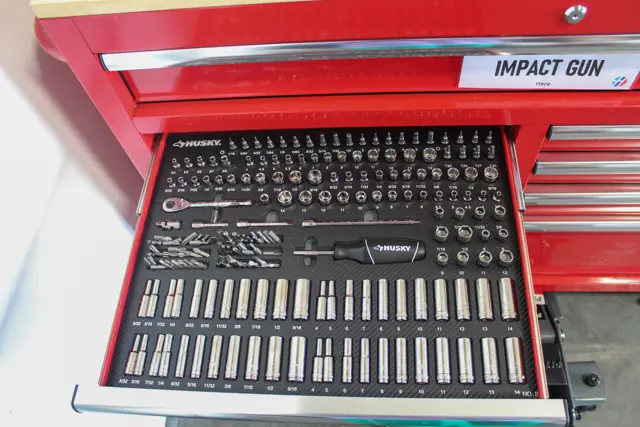
Swapping one out takes about ten minutes once you know the order: disconnect the negative terminal first, then the positive, pull the hold-down bracket, lift the old battery out, and drop the new one in before reversing the steps. It's a wrench-and-socket job, all of which is sitting in the tool inventory, and it doesn't need the lift at all. Floor space runs $25/hr and covers the whole job.
Wiper blades that quit back in October
Be honest, you've been running the same blades since spring and telling yourself you'll get to it. Winter's where that catches up with you. Streaky wipers on a windshield full of road spray and snowmelt at 60 mph are their own kind of dangerous. Blade swaps take about two minutes and need no tools at all, just the new blades you brought with you. Pair it with the battery in the same session and you're done with both before the hour's up.
Tread and pressure, before the first storm hits
Pressure drops fast in cold air, usually a pound or two for every ten-degree dip. Low tires handle worse in snow and wear unevenly, so it's worth checking with your own gauge before the first real storm rather than during it. Tread matters just as much. The old penny trick still works: stick Lincoln's head into the groove, and if you can see all of it, it's time for new tires before winter, not after you've already slid through an intersection.
Top off the coolant while the hood's already up
Antifreeze keeps your engine from freezing solid overnight, which is exactly as bad as it sounds. Check the reservoir when the engine's cold, top it off if it's low, and you're covered. Bring your own coolant and a funnel if you've got one small enough for the fill neck. It doesn't need the lift or take more than a few minutes, but it's the kind of thing that's easy to forget until the one morning it matters.
Do it somewhere warm for once
None of this requires a shop or a mechanic. What it does require is somewhere better than a driveway in January, which is basically the whole reason Hafen's exists. Both bays, Provo for Utah County and West Valley City for Salt Lake County, are heated, well-lit, and out of the wind and snow, and they're open 24/7 if the only time that works for you is 6am before your shift. Book a floor space for any of this through the reservation widget, and if you end up wanting to check underneath for road salt and rust while you're already there, that's when the lift and the required safety video actually come into play.
Check the FAQ page if you're wondering about extending your time or what to bring versus what's already there. One habit worth picking up this year: run through all four of these the same week you swap to winter tires, or the first week temps dip below freezing, whichever comes first. Skipping the driveway entirely turns a miserable hour into a warm one.